2025 Annual Report

2025 Annual Report
We Exist So Families Can Rise.
At Families Rising, we are proud to:
- champion the well-being of children and families;
- fight for equitable outcomes for Black, Latinx, and Indigenous communities;
- advocate alongside people with lived experience;
- and drive change for child welfare professionals.
We Exist So Families Can Rise.
At Families Rising, we are proud to:
- champion the well-being of children and families;
- fight for equitable outcomes for Black, Latinx, and Indigenous communities;
- advocate alongside people with lived experience;
- and drive change for child welfare professionals.
When Families Rise:
We Believe in Financial Transparency.
Financial Snapshot
Expenses
Revenue
Our Programs




In 2025, our work took us across the country, where we fulfilled our mission through three avenues:
Financial Snapshot
Expenses
Revenue
We invested strategically in our programming.
96% of our expenses went to programs: CWEL (80%), the Adoption Subsidy Resource Center (10%), Public Education (4%), and other programs (less than 1%). The remaining dollars were spent on management, general expenses, and fundraising.
Federal and state grants made up the majority of our revenue.
Our revenue came from seven sources across the year, with the vast majority being federal grants to administer CWEL (82%), followed by state grants (12%), contributions and scholarships (3%), conference and memberships (2%), training income (1%), other grants (1%), and miscellaneous income (less than 1%).
Caregiver Capacity: Supporting Foster and Adoptive Parents
Support Groups & Retreats in Minnesota
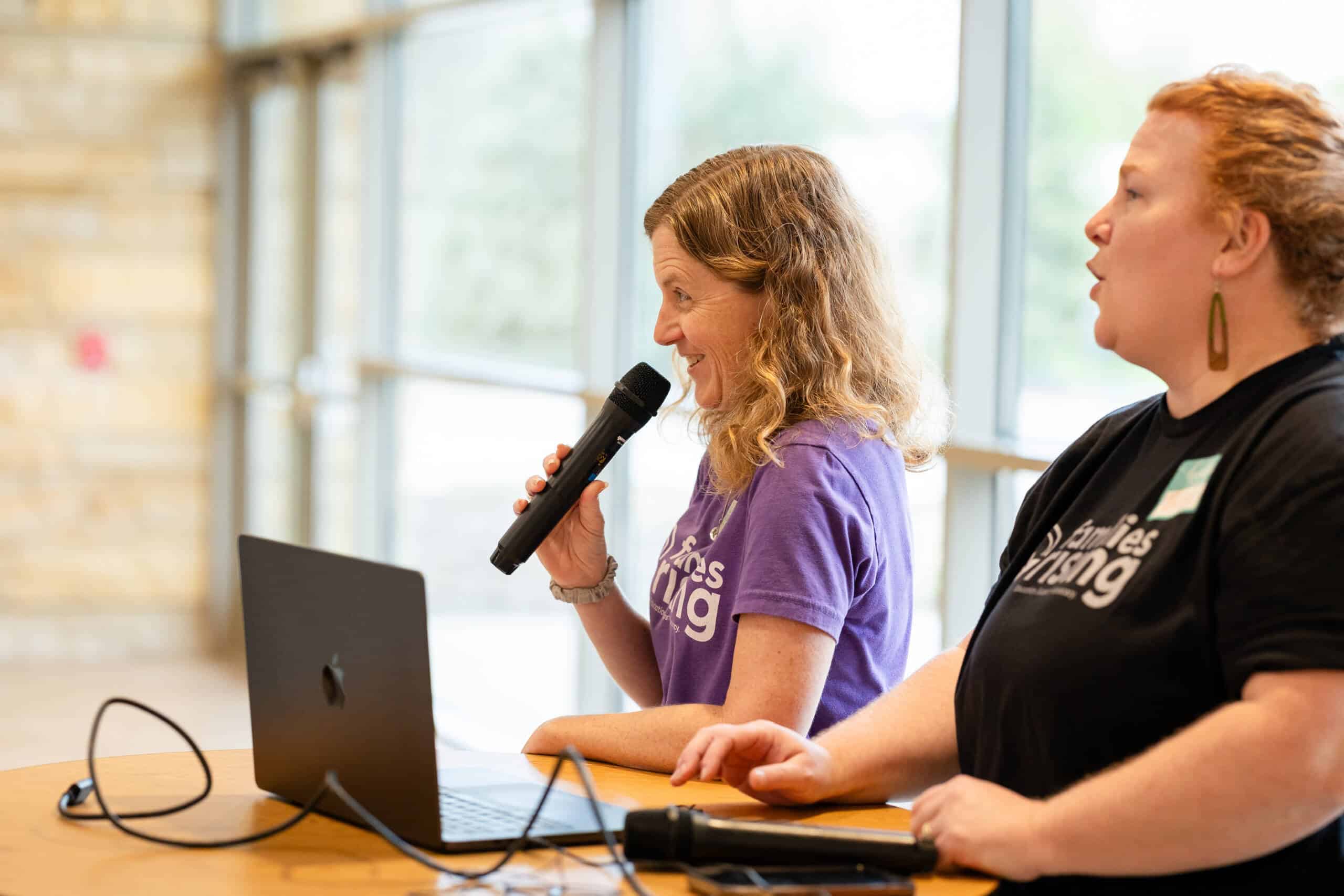
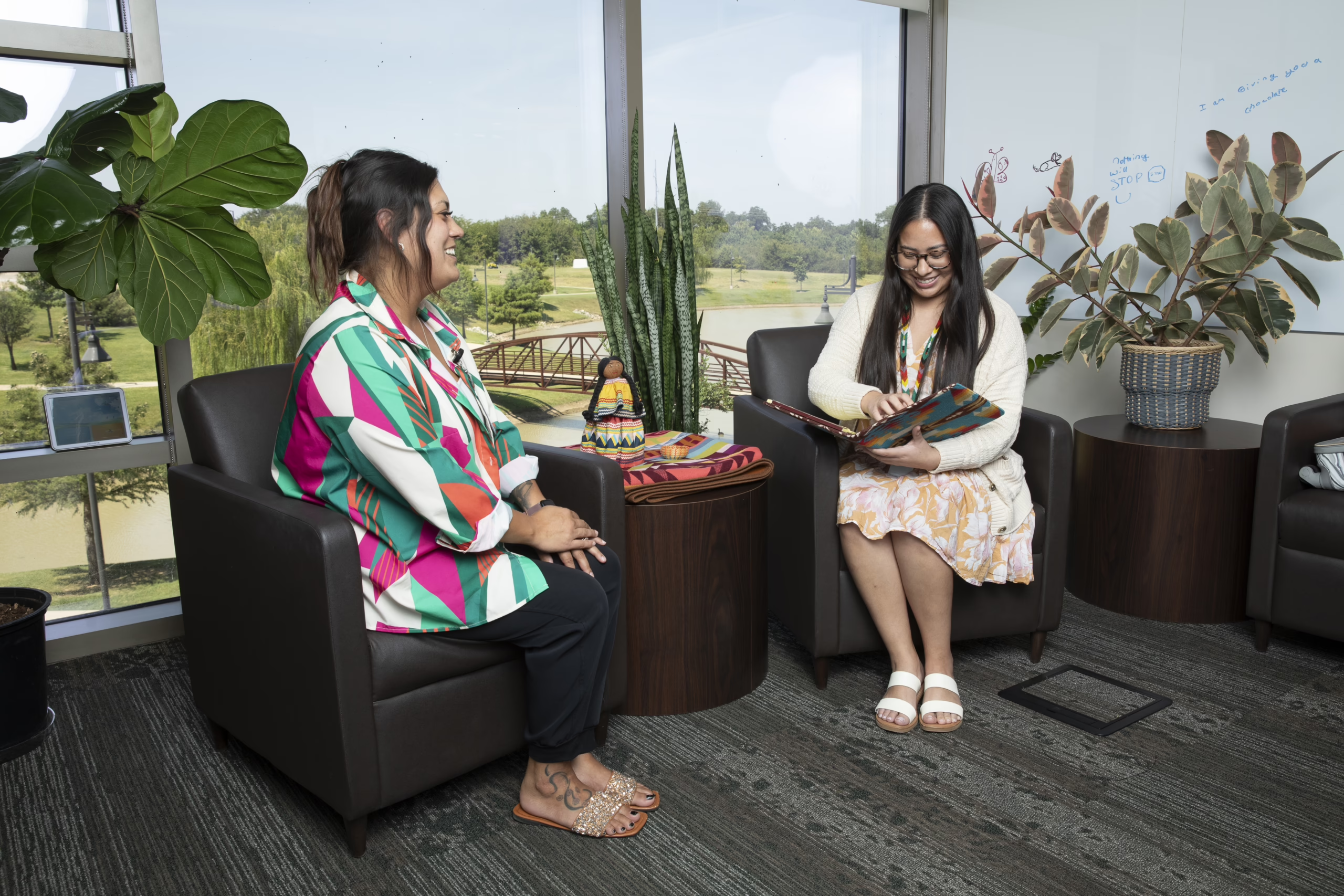
Our Minnesota-based program, FRMN, provided relationship-based support to foster, adoptive, and kinship caregivers across the state through peer support groups, individualized outreach, and accessible resources. Caregivers shared that our work reduced isolation and increased their sense of connection and confidence.
Caregivers frequently described the impact of peer connection in simple but powerful terms, sharing feedback such as “I am not alone.”
In-person gatherings and retreats remained a meaningful highlight of the year. Caregivers repeatedly emphasized the importance of having space to pause, connect, and learn alongside others who understand the realities of foster, adoptive, and kinship parenting.
Training Sessions for Parents
We provided both national and local training programs. In Minnesota, we provided caregivers with practical tools they could use immediately in their homes and communities.
Training and individualized support focused on:
- School advocacy
- Managing challenging behaviors
- Navigating public systems
- Strengthening connected parenting
Additionally, we expanded our offerings of recorded and on-demand training to increase accessibility, allowing caregivers to engage with learning at times that fit their schedules.
Financial Resources
Families Rising’s Adoption Subsidy Resource Center is the lead resource on adoption assistance in the US and Canada. While we primarily educate, advocate, and empower families to ensure they get a proper level of support, we also support workers and administrators so they can become subject matter experts in adoption assistance.
A key part of our work surrounds the US federal adoption tax credit. Our tax credit expertise helps parents and professionals understand and advocate for the credit, especially if their tax preparer isn’t familiar with it.
We saw two critical, exciting changes to the tax credit this year:
- Tribal nations can now make a special needs determination. We worked with NICWA to help craft their comments to the IRS on how that will be different from state special needs determinations.
- Families can now access a partial refundability of the adoption tax credit, something we have advocated for for 15 years. This refundability will enable more families to use the credit they are otherwise eligible for, including low- and fixed-income families.
We know this resource is essential to families, as evidenced by roughly 30,000 web views of our pages for these programs and over 800 direct interactions with families and professionals. We also trained over 750 individuals in person and via webinars.
In addition to training and advocacy from the Adoption Subsidy Resource Center, our Families Rising Minnesota team responded to caregivers’ practical needs through financial guidance and basic needs support. Caregivers shared how meaningful this assistance was, especially during times of strain. One caregiver shared, “Thanks so much! As a single foster and adoptive mom of 6 right now, this helps so much!”
Workforce Well-Being: Building a Robust Child Welfare Workforce
Recruiting Through a New Narrative
CWEL partnered with a creative agency to uncover the most effective ways to reach the future workforce, filling vacancies. We compiled and shared key insights, and these will be used in a forthcoming media campaign in 2026.
Advertising Social Work Programs in Colorado
We provided targeted communications assistance to our Colorado site partner to enhance recruitment strategies and strengthen engagement through coordinated messaging and outreach.
Offering Financial Support for Students in Social Work Programs
Through CWEL, we sent 210 social work students to school with Title IV-E educational stipends, in partnership with the University of Louisville. Additionally, CWEL expanded the workforce pipeline by awarding stipends to over 100 social work students and strengthening agency–university partnerships to support onboarding of future professionals.
Developing Leaders and Teams
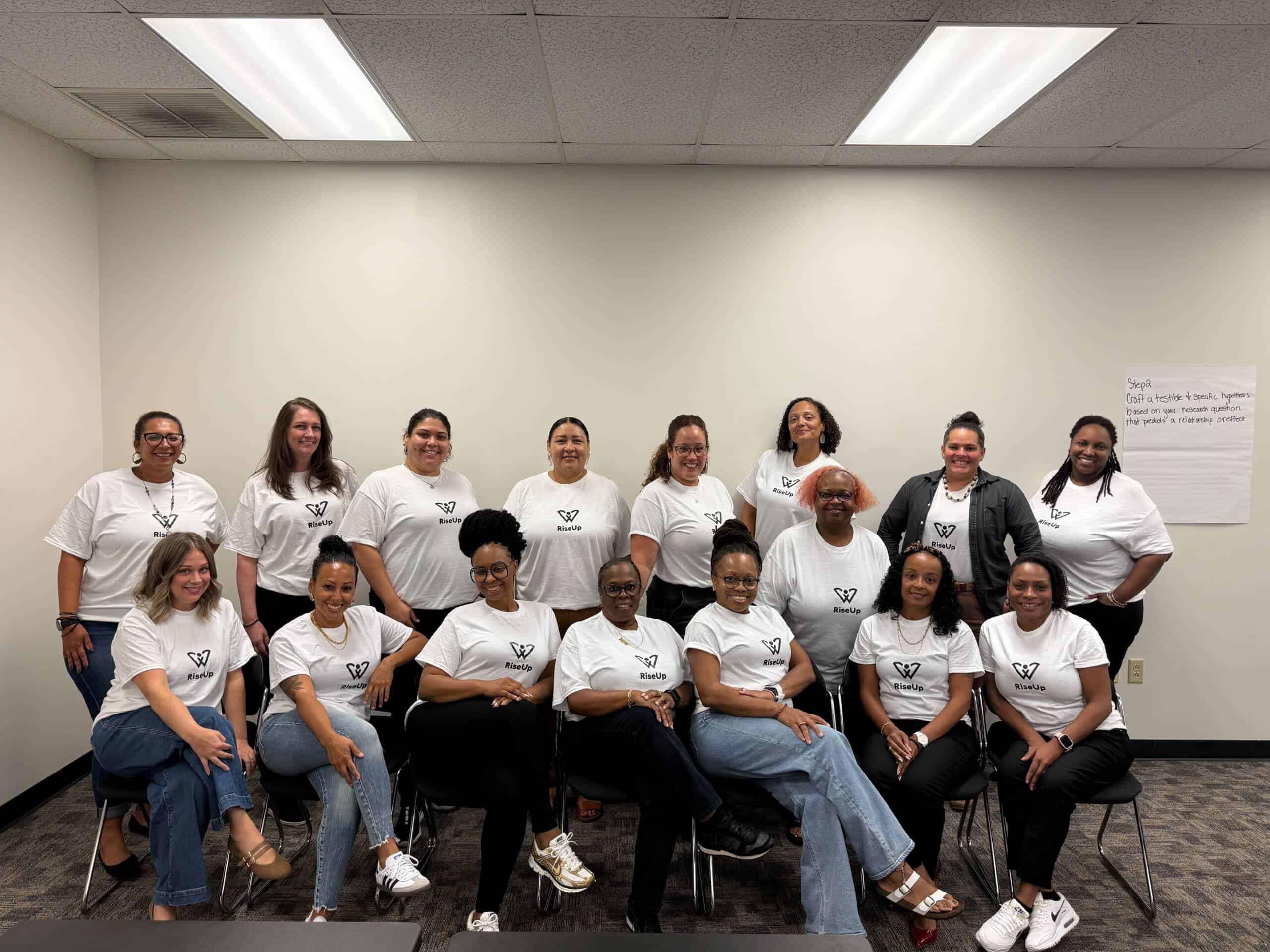
CWEL developed 16 New Jersey child welfare leaders through the RiseUp Fellowship, partnering with New Jersey DCYF to deliver the cohort-based program that resulted in organizational change projects, foundational learning, and individualized leadership coaching. We also coached 15 supervisors in Rhode Island, with powerful results: 93% reported a deeper understanding of how strong relationships with staff improve leadership and retention.
Retaining Staff Through a Clinical Bridge
CWEL helped create a Clinical Bridge in Colorado, enabling professionals pursuing clinical licensure to remain in their agencies while advancing their careers.
Workforce Well-Being: Building a Robust Child Welfare Workforce
Recruiting Through a New Narrative
CWEL partnered with a creative agency to uncover the most effective ways to reach the future workforce, filling vacancies. We compiled and shared key insights, and these will be used in a forthcoming media campaign in 2026.
Advertising Social Work Programs in Colorado
We provided targeted communications assistance to our Colorado site partner to enhance recruitment strategies and strengthen engagement through coordinated messaging and outreach.
Offering Financial Support for Students in Social Work Programs
Through CWEL, we sent 210 social work students to school with Title IV-E educational stipends, in partnership with the University of Louisville. Additionally, CWEL expanded the workforce pipeline by awarding stipends to over 100 social work students and strengthening agency–university partnerships to support onboarding of future professionals.
Developing Leaders and Teams
CWEL developed 16 New Jersey child welfare leaders through the RiseUp Fellowship, partnering with New Jersey DCYF to deliver the cohort-based program that resulted in organizational change projects, foundational learning, and individualized leadership coaching. We also coached 15 supervisors in Rhode Island, with powerful results: 93% reported a deeper understanding of how strong relationships with staff improve leadership and retention.
Retaining Staff Through a Clinical Bridge
CWEL helped create a Clinical Bridge in Colorado, enabling professionals pursuing clinical licensure to remain in their agencies while advancing their careers.
Community Convening: A National Conference
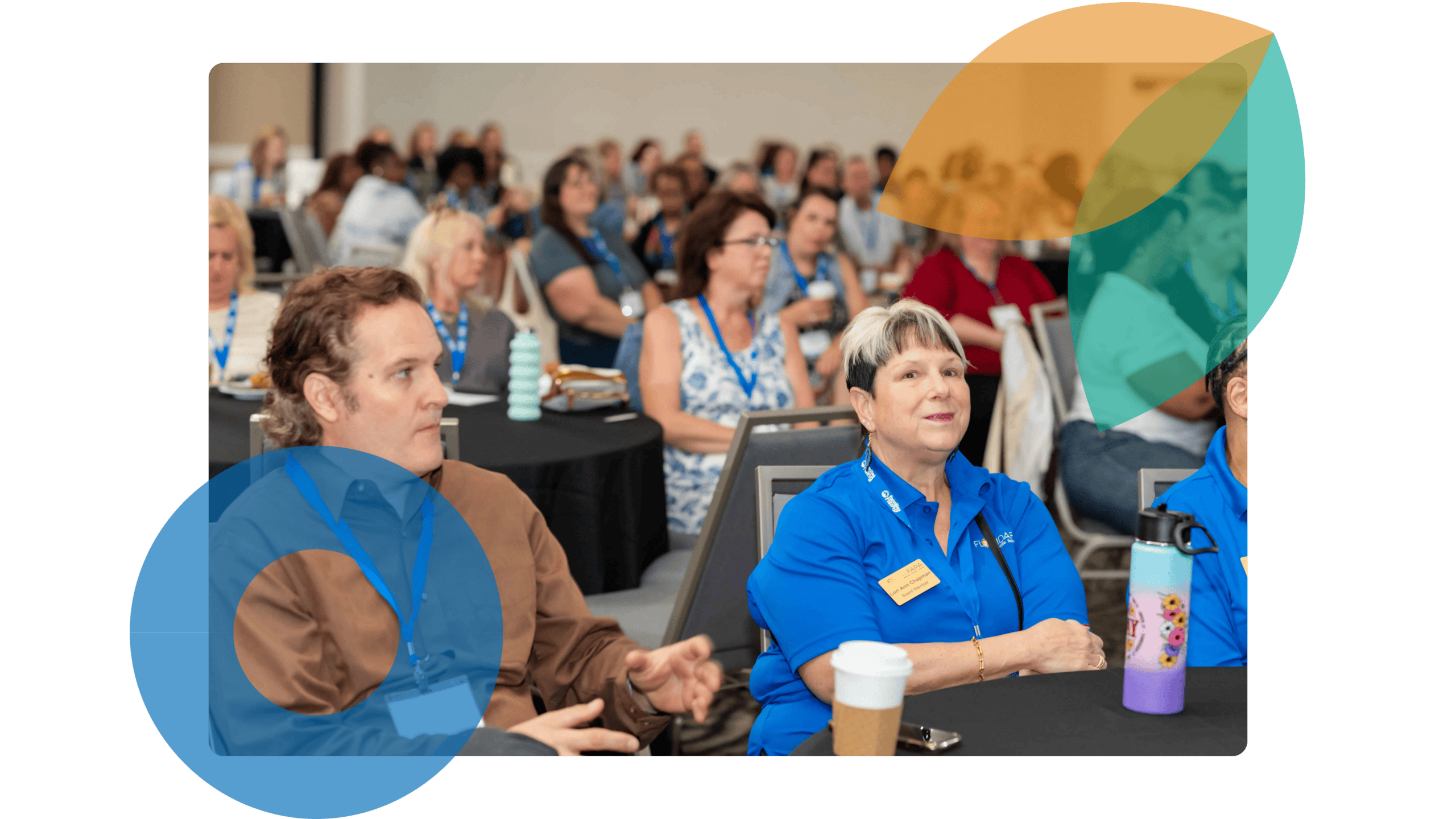
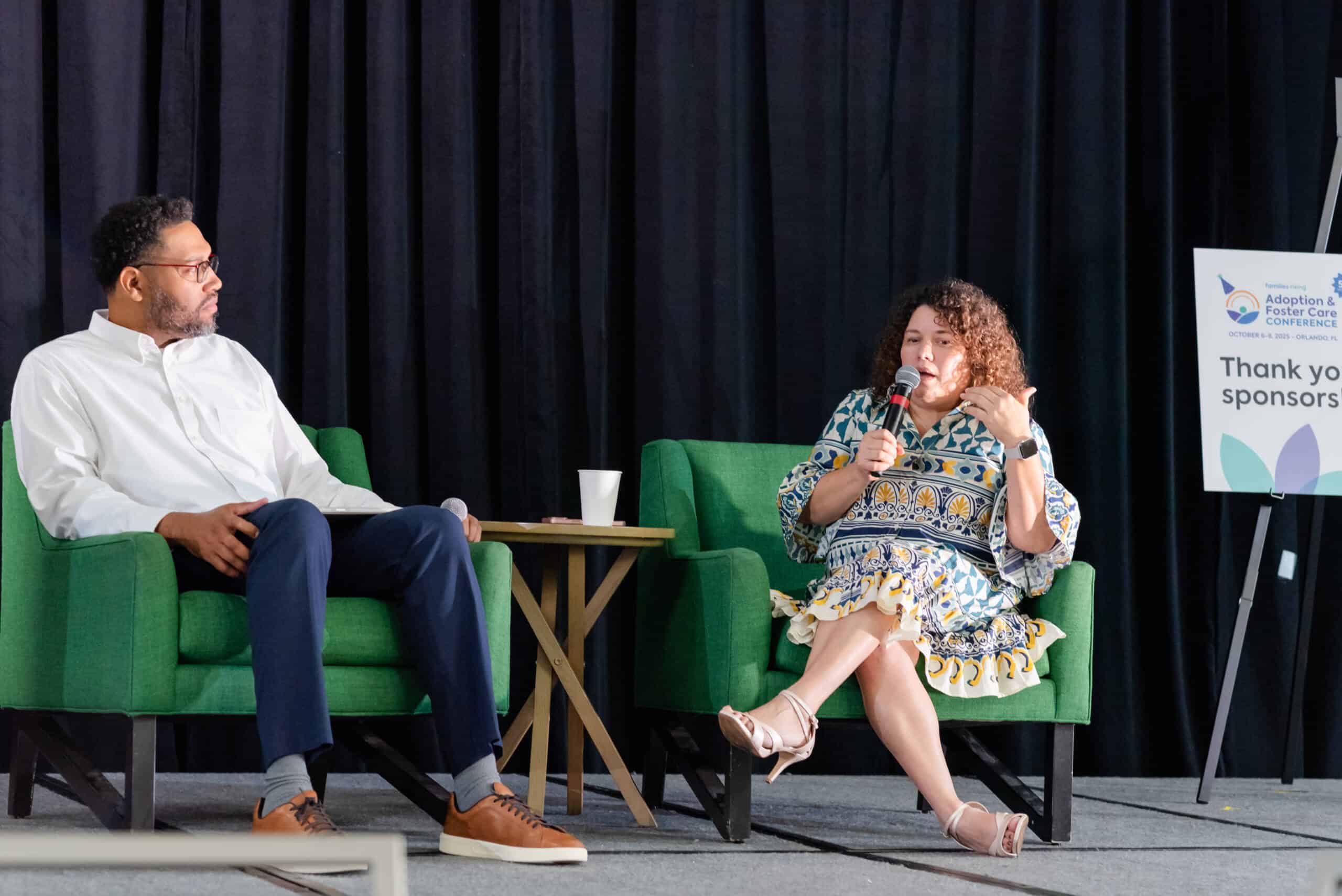
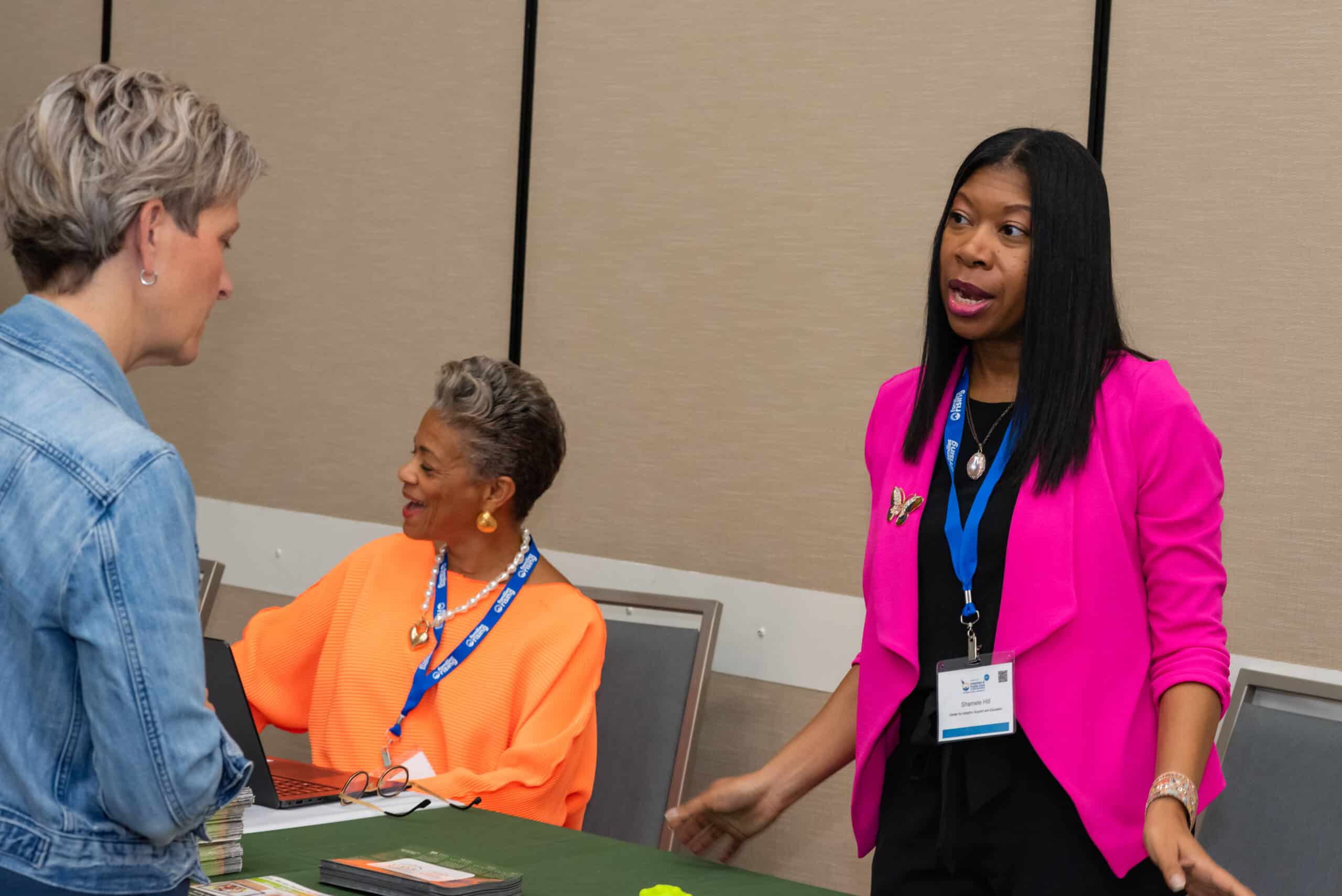
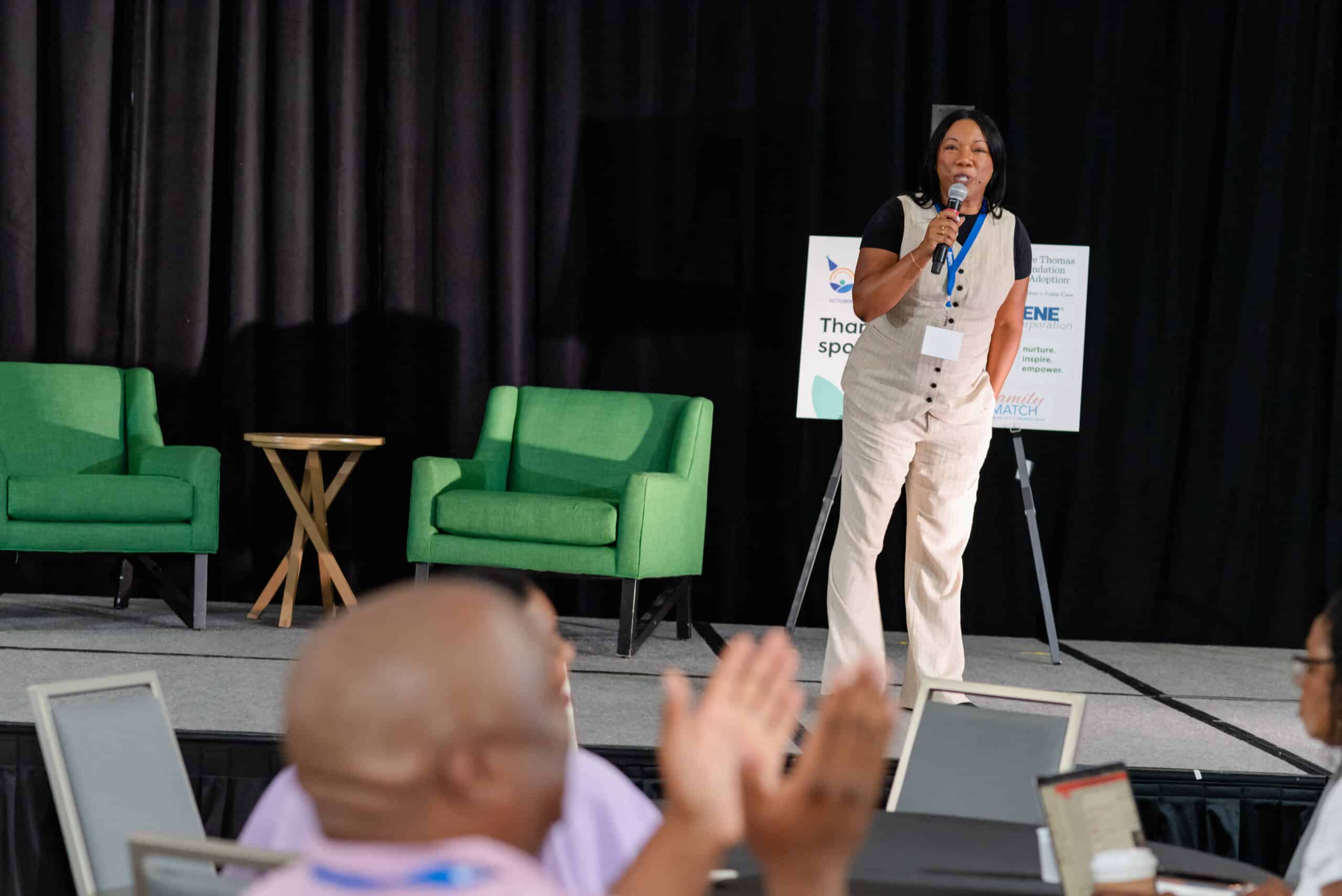
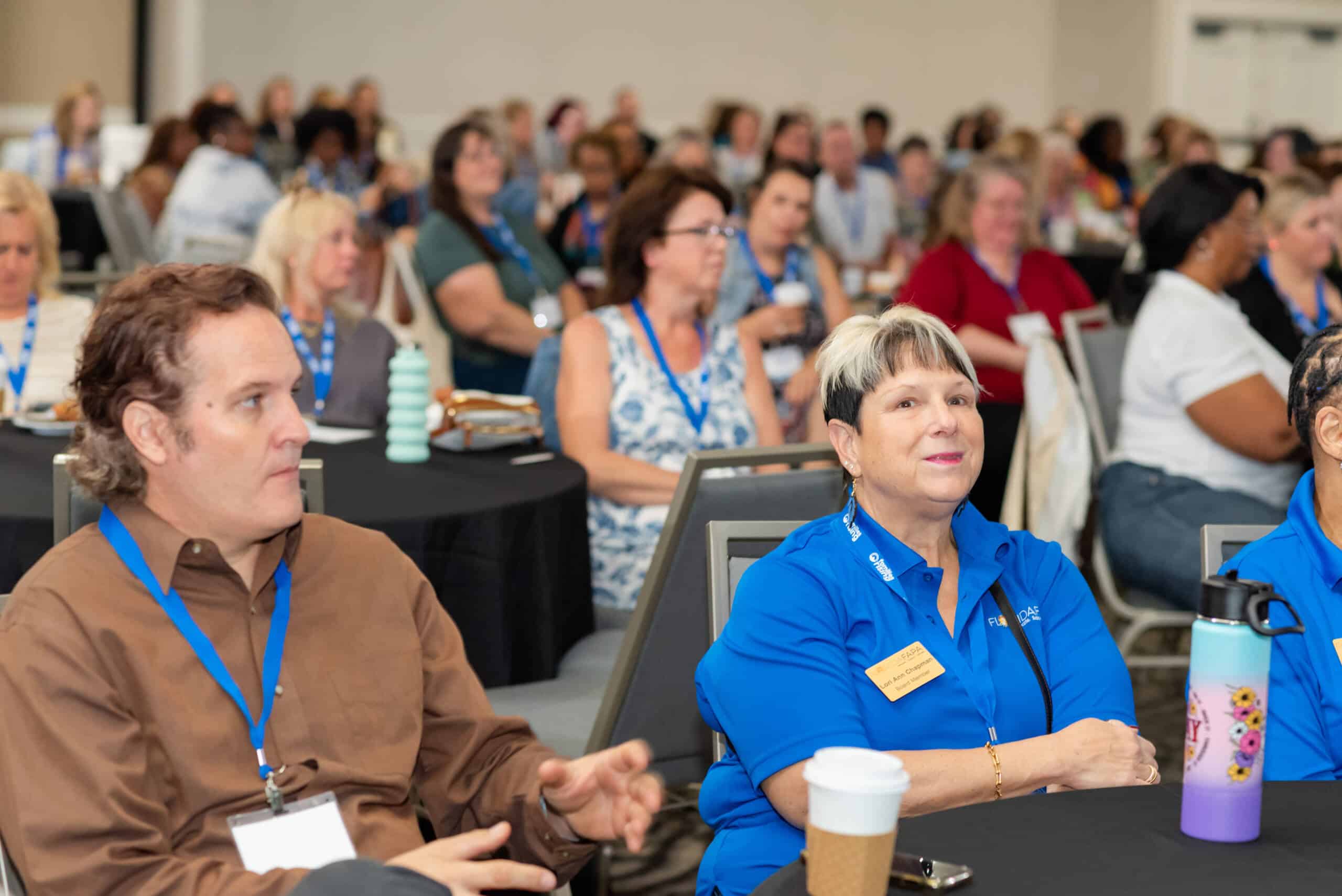
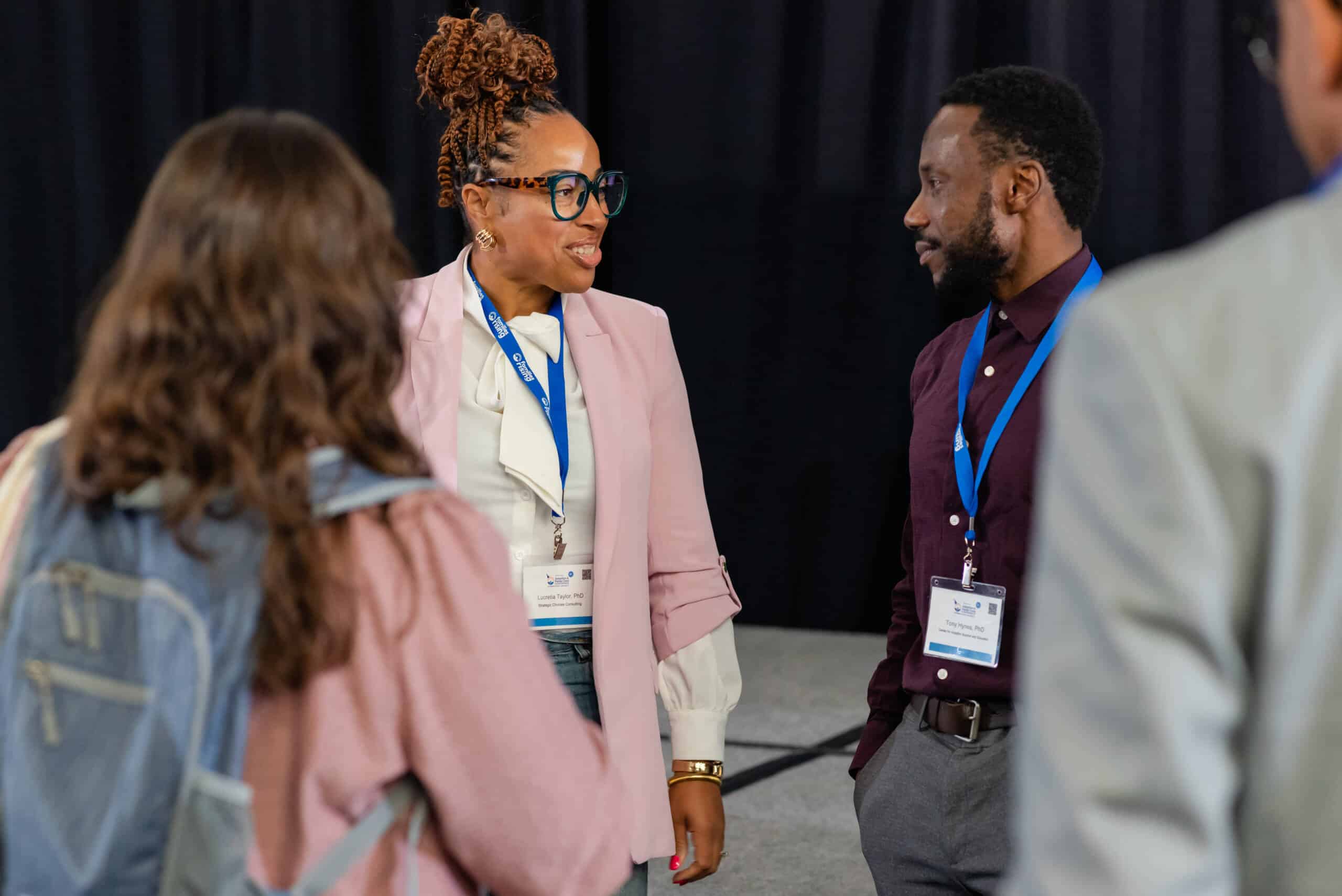
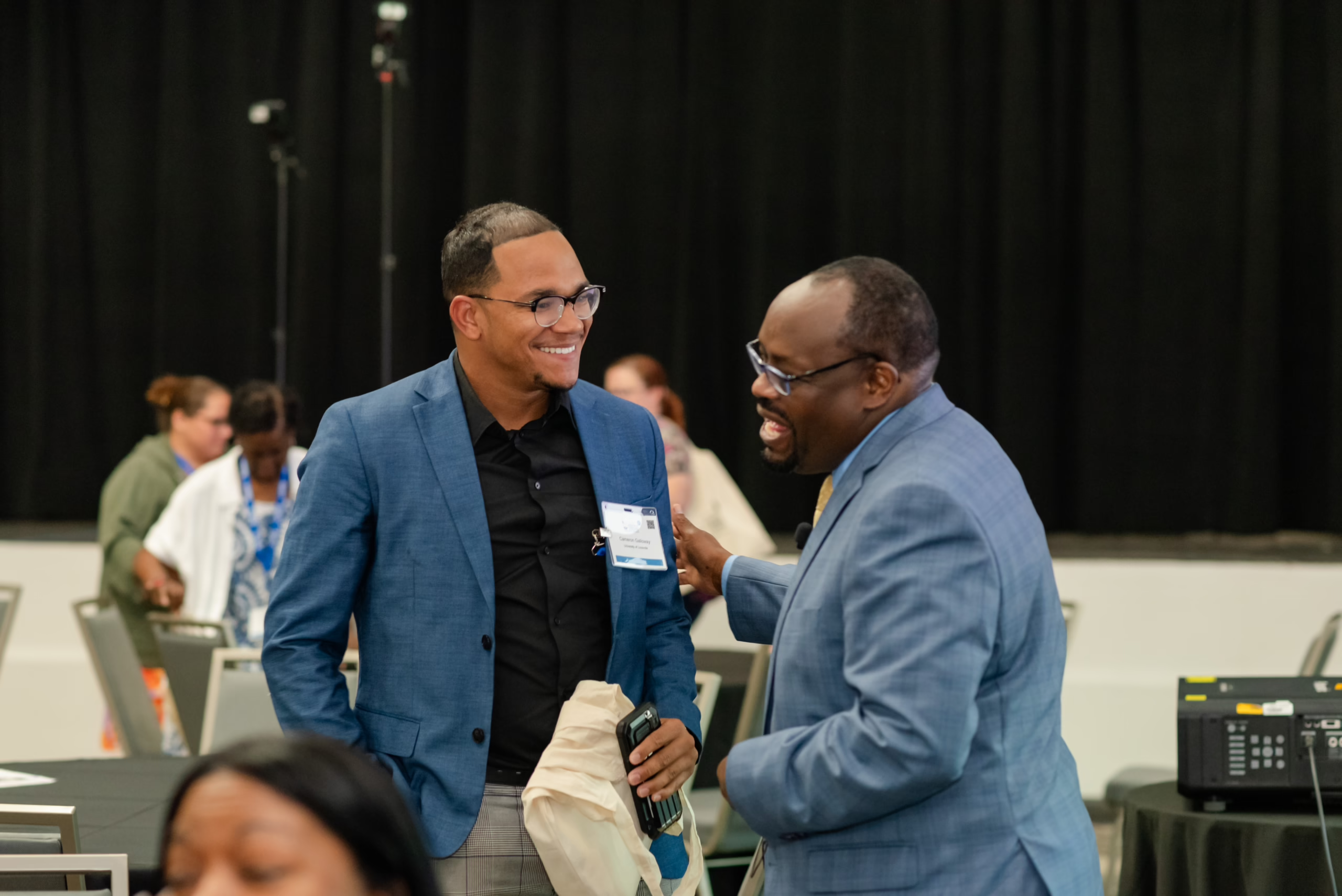
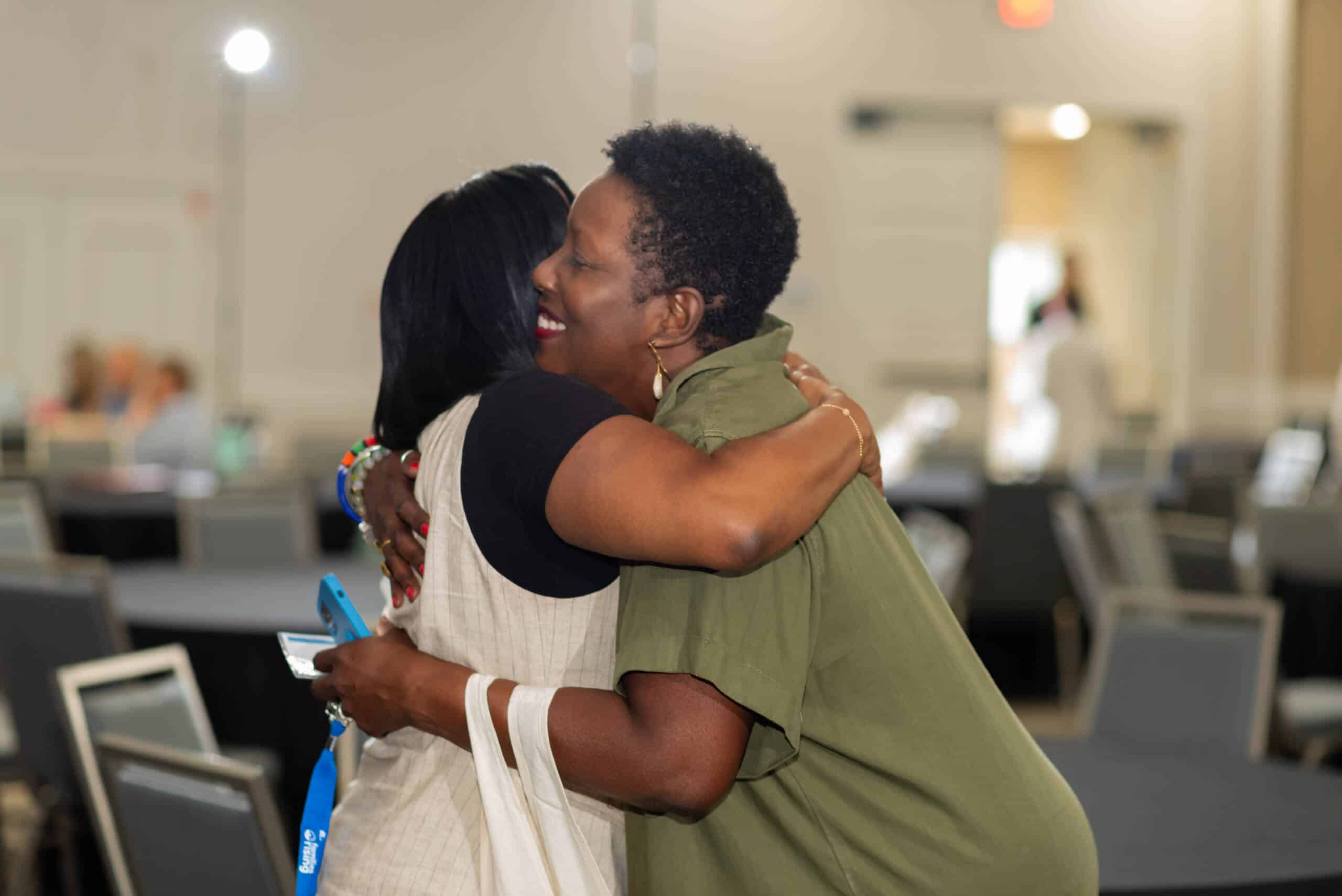
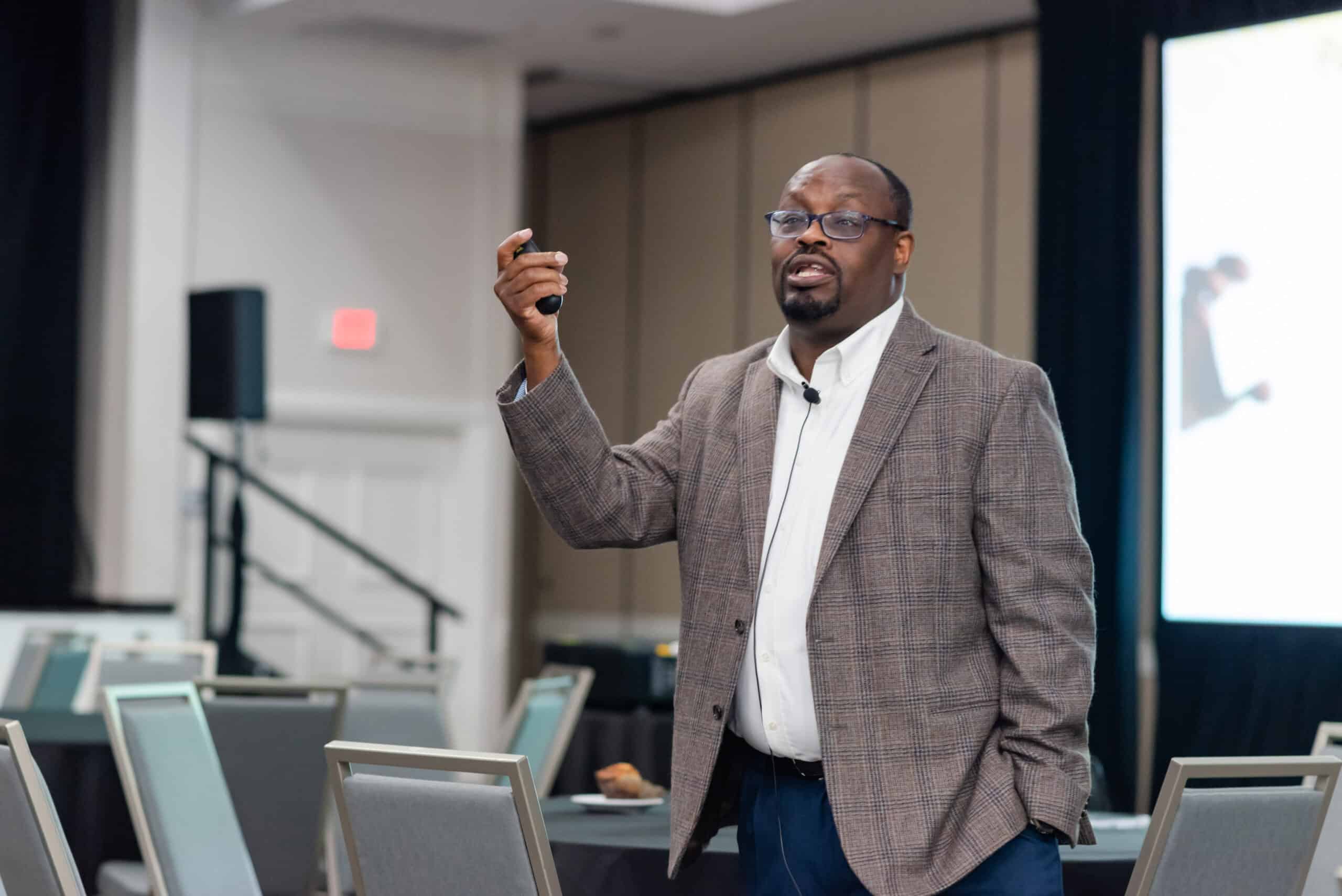
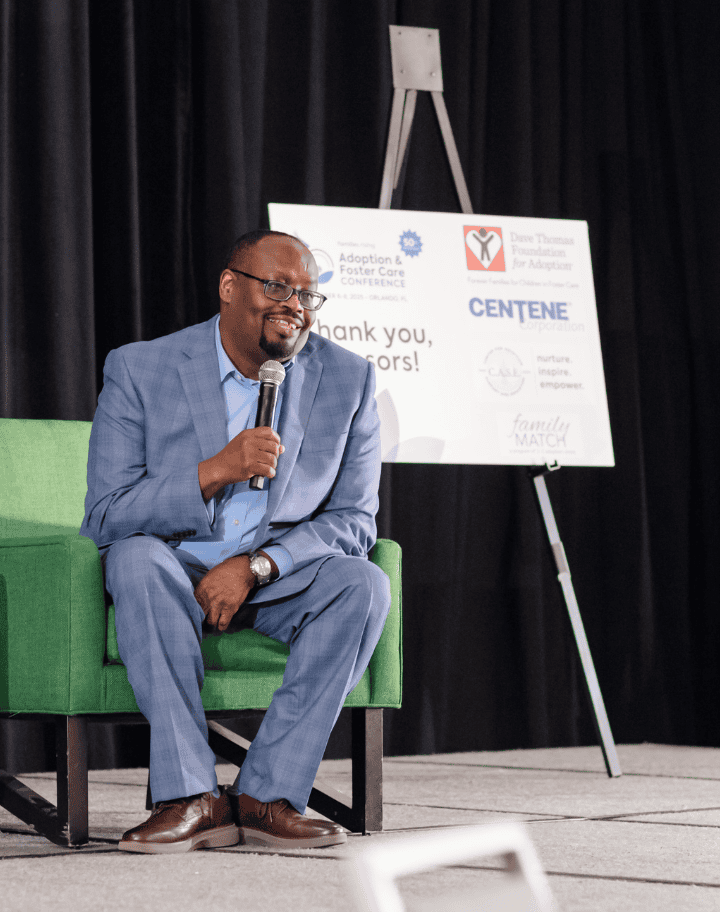
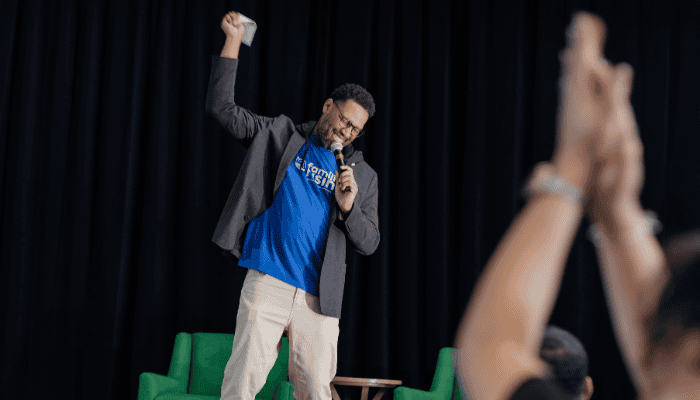
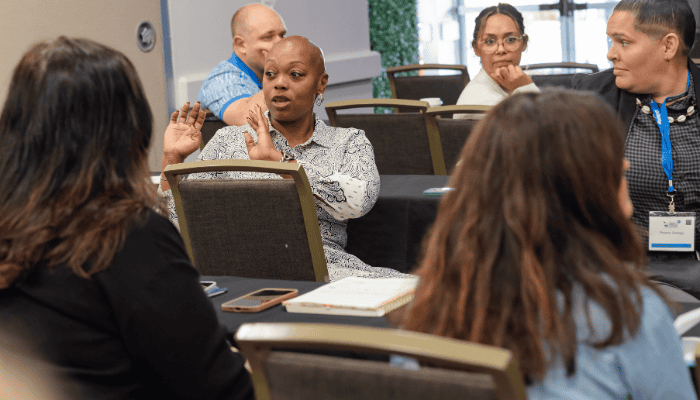
Families Rising held an in-person conference in Orlando, Florida. Attendance was impacted by the political landscape and federal funding freezes. Still, 350+ people gathered for the 2-day event, including adoptive, foster, and kinship parents, child welfare professionals, and others committed to achieving permanence for children in foster care.
Participants could choose from 48 educational sessions focused on effective parenting techniques, supporting children with disabilities and other challenges, recruiting, preparing, and supporting foster, adoptive, and kinship families, and related topics.